
Sapa Trekking Guide: Best Routes, Villages, Difficulty & Tips
Sapa is one of Vietnam’s most popular destinations for mountain trekking, thanks to its dramatic rice terraces, deep valleys, ethnic minority villages, and spectacular mountain scenery.
For first-time visitors, however, choosing a Sapa trekking route can be confusing. Some trails are relatively easy walks through villages, while others involve steep paths, uneven terrain, and several hours of walking.
This guide explains the main trekking areas around Sapa, the most popular routes, difficulty levels, typical trekking durations, and how to choose a route that matches your travel style.
Table of Contents
Quick Answer: What Is the Best Sapa Trekking Route?
For most first-time visitors, Muong Hoa Valley, Lao Chai and Ta Van offer the most complete Sapa trekking experience.
You can walk through rice terraces, mountain valleys and local villages while experiencing the scenery and rural life around Sapa.
Here is a quick comparison:
| Trekking Area | Typical Duration | Difficulty | Best For |
|---|---|---|---|
| Cat Cat Village | 2–4 hours | Easy–Moderate | Short walks, first-time visitors |
| Muong Hoa Valley | 3–6 hours | Moderate | Landscapes & photography |
| Lao Chai | 3–6 hours | Moderate | Rice terraces & village life |
| Ta Van | 4–7 hours | Moderate | Longer village trekking |
| Lao Chai – Ta Van | 5–8 hours | Moderate | First-time trekkers |
| Multi-day village trek | 2+ days | Moderate–Challenging | Deeper local experience |
Actual walking time depends on the route, weather, trail conditions, stops and individual fitness.
What Is Sapa Trekking?
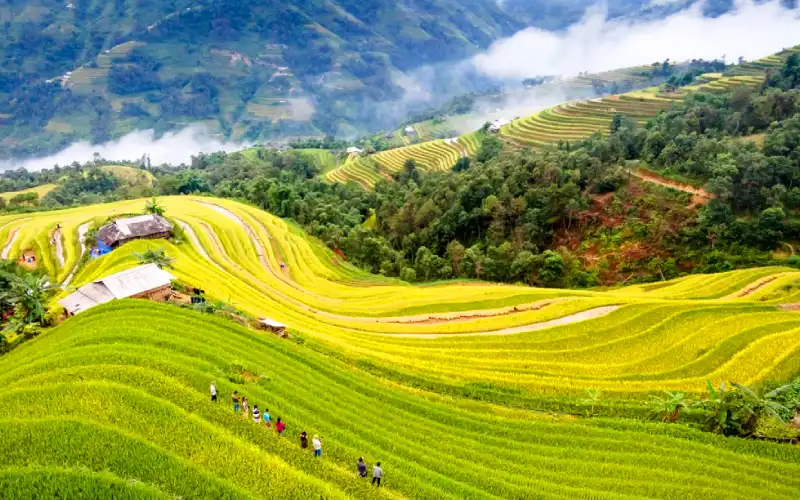
Sapa trekking is a form of walking and hiking through the mountains, valleys, rice terraces and villages surrounding Sapa in northern Vietnam.
Unlike simply sightseeing in Sapa town, trekking allows travelers to explore the countryside at a slower pace.
A typical trekking route may pass through:
- Rice terraces
- Mountain valleys
- Small villages
- Forest paths
- Streams
- Local farms
- Traditional houses
- Scenic viewpoints
Some routes are suitable for beginners, while others require more stamina because of steep sections and uneven surfaces.
If this is your first trip to the region, it can help to combine trekking with the other experiences described in our [Best Things to Do in Sapa] guide.
Best Areas for Sapa Trekking
There are several trekking areas around Sapa, but four destinations are particularly popular with visitors.
1. Muong Hoa Valley
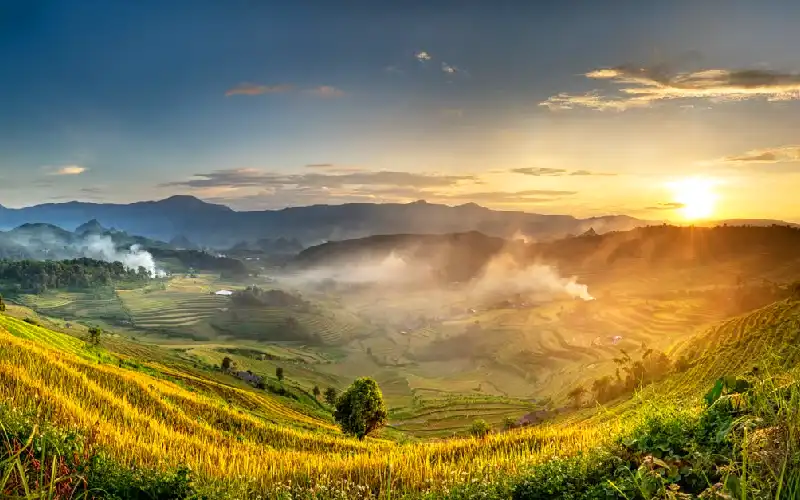
Muong Hoa Valley is one of the most famous trekking areas in Sapa.
The valley stretches through a spectacular mountain landscape with extensive rice terraces and several ethnic minority villages.
A trek through Muong Hoa can offer views of:
- Layered rice terraces
- Mountain slopes
- Small streams
- Traditional villages
- Farming landscapes
- The Hoang Lien Son mountain range
The terrain varies considerably, so the same area can offer relatively easy walks as well as more demanding trails.
For photographers, Muong Hoa is particularly attractive because the landscape changes significantly depending on the season.
For more information about seasonal conditions, see our [Best Time to Visit Sapa] guide.
2. Lao Chai Village
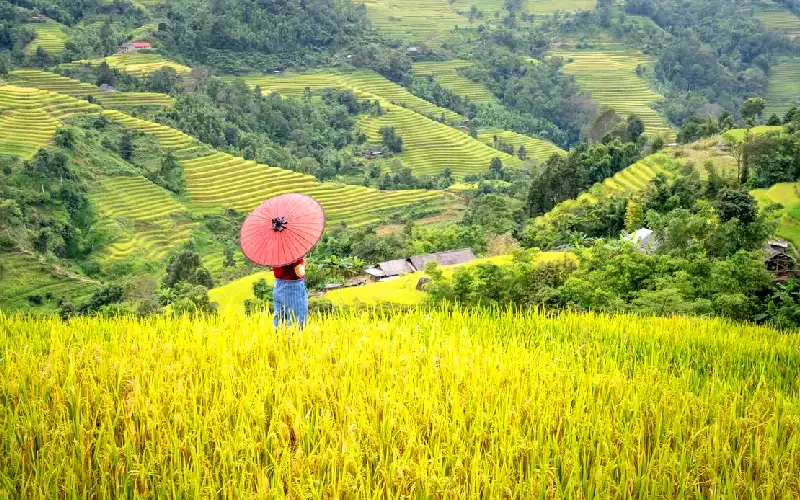
Lao Chai is one of the most popular stops on Sapa village trekking routes.
The village is located in Muong Hoa Valley and is surrounded by mountains and terraced fields.
A trek through Lao Chai is less about checking off a single attraction and more about experiencing the landscape along the way.
Depending on your route, you may walk through:
- Rice terraces
- Small farming paths
- Mountain slopes
- Local residential areas
- Valleys and streams
The trail can become slippery after rain, particularly on sections of unpaved or muddy terrain.
For this reason, proper footwear is much more important than it may initially appear.
3. Ta Van Village
Ta Van is another major destination for Sapa trekking.
Many travelers combine Lao Chai and Ta Van into one trekking route because the villages are located within the same broader valley area.
A Lao Chai–Ta Van trek can provide a longer walking experience compared with a short visit to a single village.
It is particularly suitable for travelers who want to combine:
- Rice terrace scenery
- Mountain walking
- Village exploration
- Local culture
- A countryside experience
Ta Van is also associated with homestay experiences, making it possible to turn a trekking trip into a multi-day journey.
4. Cat Cat Village
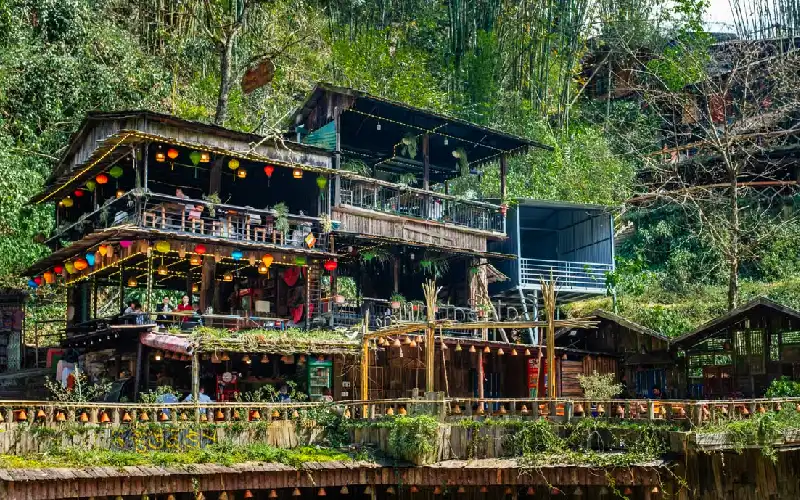
Cat Cat Village is one of the easiest trekking options to include in a Sapa itinerary.
Because it is relatively close to Sapa town, travelers with limited time can visit Cat Cat without committing to a full-day mountain trek.
A typical visit involves walking along paths through the village and surrounding landscape.
However, the route includes stairs and some uneven sections, so it is still worth wearing comfortable shoes.
Cat Cat is particularly suitable for:
- First-time visitors
- Short Sapa trips
- Families looking for a shorter walking experience
- Travelers who do not want a full-day trek
- Visitors combining trekking with other Sapa attractions
If you have only one or two days in Sapa, you can also compare this option with the itineraries in our [Sapa Travel Guide].
Sapa Trekking Difficulty Levels
One of the most important things to understand before booking a trekking tour is that distance alone does not determine difficulty.
A relatively short route can feel challenging if it contains steep climbs, slippery surfaces or difficult terrain.
Easy
Usually suitable for travelers who are comfortable walking for a few hours.
Typical characteristics:
- Shorter walking distance
- Fewer steep sections
- More developed paths
- Easier access from Sapa
Cat Cat and some shorter countryside walks can fall into this category.
Moderate
This is the most common level for popular Sapa trekking routes.
You may encounter:
- Uneven paths
- Uphill and downhill sections
- Narrow trails
- Mud after rain
- Several hours of walking
Lao Chai and Ta Van routes can be moderate depending on the exact itinerary.
Challenging
Longer trekking routes may involve:
- Longer walking distances
- Steeper climbs
- More remote trails
- Uneven mountain terrain
- Changing weather conditions
These routes are generally more appropriate for travelers who are comfortable with extended mountain walking.
Sapa Trekking for Beginners
You do not need to be an experienced hiker to enjoy trekking in Sapa.
The key is choosing a route that matches your walking ability.
For a first trekking experience, consider a route around Lao Chai and Ta Van with a manageable walking distance rather than immediately choosing a demanding multi-day trail.
Beginners should also consider:
- Walking distance
- Elevation changes
- Trail conditions
- Weather
- Available breaks
- Whether a local guide is included
A shorter route with beautiful scenery can often be more enjoyable than choosing a long trek simply because it covers more kilometers.
One-Day vs Two-Day Sapa Trekking
Your available travel time can significantly influence the type of trekking experience you choose.
One-Day Trekking
A one-day trek is suitable if you want to experience the countryside without changing accommodation.
A typical route can combine:
Sapa → Muong Hoa Valley → Lao Chai → Ta Van → Sapa
The exact walking distance and transportation arrangements depend on the itinerary.
Two-Day Trekking
A two-day trek allows you to spend more time outside Sapa town.
Instead of returning immediately, you can continue toward another village and stay overnight at a local homestay.
This creates a slower travel experience and gives you more time to experience the countryside.
For travelers planning a longer trip, you can combine trekking with our [Sapa 3 Days 2 Nights Itinerary].
Is Sapa Trekking Worth It?
For travelers who enjoy nature, walking and mountain landscapes, trekking offers a different perspective of Sapa compared with simply staying in town.
The biggest attraction is not one individual viewpoint.
It is the combination of:
Mountains + rice terraces + villages + walking trails + local countryside
The best route depends on how much time you have, your walking ability and the type of experience you want.
In the next part, we will compare the main Sapa trekking routes in more detail, including walking distance, estimated duration, difficulty, guide options, indicative costs, equipment and what to prepare before starting your trek.
phần 2
Part 2: Sapa Trekking Routes, Difficulty, Costs & What to Prepare
Choosing the right route is one of the most important parts of planning a Sapa trekking experience. Two routes may look similar on a map but feel very different because of elevation, trail conditions, weather and walking time.
This section compares the main trekking options and explains what you should prepare before setting out.
Sapa Trekking Routes Compared
Here is a practical overview of the most popular routes.
| Route / Area | Typical Time | Difficulty | Main Highlights | Suitable For |
|---|---|---|---|---|
| Cat Cat Village | 2–4 hours | Easy–Moderate | Village, mountain scenery, waterfalls | Beginners, short trips |
| Muong Hoa Valley | 3–6 hours | Moderate | Valley, rice terraces, mountain views | Most travelers |
| Lao Chai | 3–6 hours | Moderate | Rice terraces, countryside | Beginners with reasonable fitness |
| Ta Van | 4–7 hours | Moderate | Villages, valley, local life | Longer day trips |
| Lao Chai – Ta Van | 5–8 hours | Moderate | Rice terraces + villages | First-time trekkers |
| Multi-day village trek | 2+ days | Moderate–Challenging | Remote villages, homestay | Experienced walkers |
These are general planning ranges rather than fixed itineraries. Actual distances and walking times vary depending on the specific trail, starting point, weather and stops.
Lao Chai – Ta Van Trekking Route
For many visitors, Lao Chai–Ta Van is one of the most practical choices for a first Sapa trekking tour.
The route combines several things travelers typically come to Sapa to experience:
- Mountain scenery
- Rice terraces
- Valley landscapes
- Village life
- Rural walking trails
- Opportunities to stay at a homestay
The route can be adjusted according to your walking ability.
A shorter itinerary can focus on the main village areas, while a longer trek can continue deeper into the surrounding countryside.
Typical experience
Sapa → Muong Hoa Valley → Lao Chai → Ta Van
Depending on the itinerary, transportation may be used for part of the journey so that the walking section is manageable.
Muong Hoa Valley Trekking
Muong Hoa Valley is better viewed as a trekking region rather than one single trail.
Different routes can pass through different parts of the valley, allowing travelers to choose between shorter walks and longer excursions.
The main attraction is the changing landscape.
You may walk from higher mountain areas toward valley floors, passing rice terraces and villages along the way.
Why choose Muong Hoa?
It works well for travelers who want:
- Scenic mountain photography
- Rice terrace landscapes
- Longer walks
- Village experiences
- Flexible trekking distances
If photography is your priority, allow extra time for stops rather than planning your trek purely around distance.
Cat Cat Trekking
Cat Cat is a different experience from a longer Muong Hoa or Lao Chai–Ta Van trek.
Its proximity to Sapa makes it convenient for travelers with limited time.
The route includes paths, steps and sections of uneven terrain.
Best for:
- First-time visitors
- Short Sapa itineraries
- Travelers who prefer a shorter walk
- Families looking for a manageable outdoor activity
- Travelers combining trekking with other attractions
If you want a more extensive mountain experience, consider extending your trip to other villages rather than spending the entire day around Cat Cat.
How Difficult Is Sapa Trekking?
There is no universal difficulty rating for Sapa trekking because conditions can change significantly.
A route that feels comfortable on a dry day may become considerably more difficult after heavy rain.
Factors that affect difficulty
1. Elevation
Steep uphill and downhill sections require more energy than walking on relatively flat terrain.
2. Trail surface
Trails can include dirt, stones, steps, narrow paths and muddy sections.
3. Weather
Rain can make some trails slippery and reduce visibility.
4. Walking duration
A five-hour trek is naturally more demanding than a two-hour walk, even when the terrain is relatively moderate.
5. Your own pace
Two travelers completing the same route may have very different experiences depending on fitness, footwear and walking habits.
How Much Does Sapa Trekking Cost?
Trekking prices vary depending on the route, group size, guide, transportation, meals and whether accommodation is included.
The following figures are indicative planning ranges only, not fixed prices:
| Trekking Option | Indicative Price |
|---|---|
| Short local walking experience | US$5–15+ |
| Half-day guided trek | US$15–40+ |
| Full-day guided trek | US$25–70+ |
| Premium/private trekking experience | US$50–100+ |
| Trekking with homestay | US$40–100+ |
| Multi-day guided experience | US$70–150+ |
Actual prices can vary significantly by season, booking date, group size, accommodation standard, meals, transportation and what is included.
Before booking, check whether the quoted price includes:
- Local guide
- Transportation
- Entrance fees
- Lunch
- Drinking water
- Homestay
- Dinner and breakfast
- Travel insurance
- Pickup and drop-off
A very low headline price may not include all of these items.
Guided Trekking vs Independent Trekking
One of the most common questions is whether you need a guide.
Guided Trekking
A local guide can help with:
- Route navigation
- Local cultural information
- Communication
- Adjusting the route
- Understanding local customs
- Responding to changing trail conditions
A guide can be particularly useful for longer or less familiar routes.
Independent Trekking
Independent walking can work for travelers who prefer flexibility and are staying on clearly established routes.
However, you should not assume that every visible mountain path is an appropriate tourist trail.
If weather conditions deteriorate or you are unfamiliar with the area, returning to a known route is generally safer than continuing simply to complete the planned distance.
What Should You Wear for Sapa Trekking?
Comfortable clothing is more important than fashionable clothing when trekking.
Recommended clothing
- Lightweight breathable shirt
- Comfortable long trousers
- Light waterproof jacket
- Extra layer for cooler conditions
- Socks suitable for walking
- Comfortable trekking shoes
Avoid wearing brand-new shoes for a long trek. Shoes that have already been comfortably worn can reduce the chance of blisters.
What Shoes Are Best for Sapa Trekking?
Footwear is one of the most important items to prepare.
For short and relatively easy walks, comfortable walking shoes may be sufficient.
For longer routes, especially when trails may be wet, shoes with good grip are preferable.
Look for:
- Good traction
- Comfortable fit
- Stable sole
- Reasonable water resistance
- Adequate support
Sandals and smooth-soled casual shoes are generally less suitable for muddy or uneven trails.
What Should You Pack?
You do not need a large backpack for a normal day trek.
A small daypack is usually enough.
Basic packing list
- Water
- Small snacks
- Rain jacket
- Phone
- Power bank
- Sunscreen
- Insect repellent
- Hat
- Tissues
- Basic personal medication
- Small first-aid supplies
For longer or overnight treks, you will need additional clothing and personal items.
If you are planning to stay overnight, check with your accommodation or tour provider about what is already provided so you do not carry unnecessary weight.
Sapa Trekking With Children
Families can enjoy trekking in Sapa, but route selection becomes particularly important.
A short village walk may be more appropriate than a full-day mountain trek for younger children.
Consider:
- Walking distance
- Trail surface
- Weather
- Temperature
- Rest opportunities
- Access to transportation
Do not choose a route solely because it is popular. Choose one that matches the family’s actual walking ability.
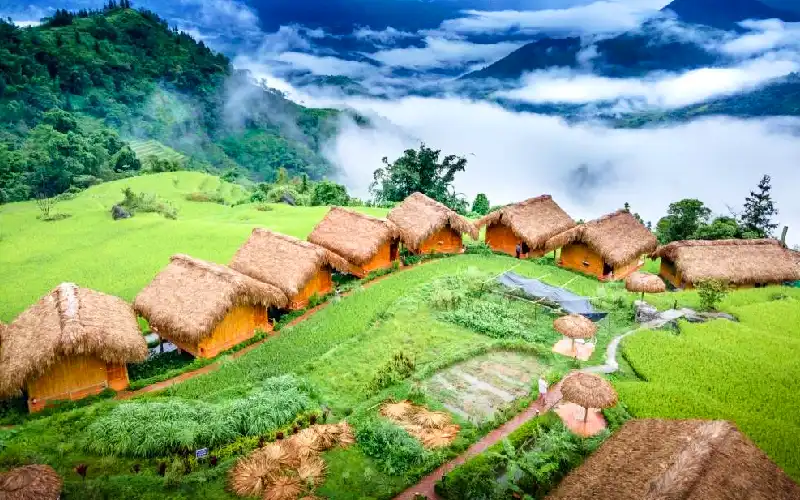
Trekking and Homestays
A homestay can turn a day trek into a deeper countryside experience.
Instead of returning to Sapa town, travelers can continue into a village and stay overnight.
A typical experience may include:
Morning trekking → village exploration → homestay → local dinner → overnight stay → breakfast → morning walk → return
The experience varies considerably between properties, so check the accommodation standard before booking.
For travelers looking for accommodation in town before or after trekking, our [Best Hotels in Sapa] guide can help compare different accommodation options.
When Is the Best Time for Sapa Trekking?
Sapa trekking is possible during different periods of the year, but trail conditions vary.
Rather than repeating the full seasonal breakdown here, check our detailed [Best Time to Visit Sapa] guide for month-by-month weather and travel considerations.
For trekking specifically, pay attention to:
- Rainfall
- Trail conditions
- Visibility
- Temperature
- Rice terrace conditions
- Local weather forecasts
A flexible itinerary is useful because mountain weather can change quickly.
How to Choose the Right Sapa Trekking Route
Use this simple decision guide:
You have only 2–4 hours
Choose Cat Cat or another short walking route close to Sapa.
You want rice terraces
Consider Muong Hoa Valley and Lao Chai.
You want villages and local life
Consider Lao Chai and Ta Van.
You want a full-day experience
Choose a longer Muong Hoa – Lao Chai – Ta Van itinerary.
You want an overnight experience
Consider a village trekking + homestay itinerary.
You are an experienced hiker
Look for a longer route with more challenging terrain, but confirm current trail conditions with a reputable local guide or accommodation provider before setting out.
Part 3: Sapa Trekking Itineraries, FAQs & Travel Planning
After choosing your route, the next step is deciding how much time to spend trekking. A short village walk can fit easily into a weekend trip, while a two-day trek allows you to slow down and spend more time in the countryside.
1-Day Sapa Trekking Itinerary
A one-day trek is a good option for travelers who want to experience Sapa’s mountains and villages without staying overnight outside town.
Morning
07:30–08:00 – Breakfast in Sapa
Have breakfast and prepare your small daypack.
08:30 – Start trekking
Travel toward the Muong Hoa Valley area and begin the walking section.
The route can include:
Muong Hoa Valley → Lao Chai → Ta Van
Along the way, you can stop for photographs and short breaks.
Lunch
Have lunch at a local restaurant or village location depending on the trekking arrangement.
Afternoon
Continue toward Ta Van and explore the surrounding village and countryside.
After completing the walking section, return to Sapa by arranged transportation.
Evening
Return to your hotel, rest and enjoy dinner in Sapa town.
Best for: first-time visitors, couples, solo travelers and travelers with limited time.
2-Day Sapa Trekking Itinerary
A two-day trek allows you to spend more time away from Sapa town and experience the countryside at a slower pace.
Day 1: Sapa → Muong Hoa → Lao Chai → Ta Van
Start in Sapa and travel toward the trekking area.
Walk through:
Muong Hoa Valley → Lao Chai → Ta Van
Take your time rather than trying to complete the route as quickly as possible.
Stop for:
- Photographs
- Lunch
- Village exploration
- Rest
- Local cultural experiences
Evening
Stay overnight at a village homestay.
Depending on the accommodation, the evening may include a local meal and time to relax with your hosts.
Day 2: Village → Countryside → Sapa
Start the morning with breakfast before continuing your walk.
The exact route can be adjusted according to:
- Weather
- Trail conditions
- Walking ability
- Available time
After completing the morning trek, return toward Sapa.
This itinerary gives you more time to enjoy the countryside instead of spending most of the trip traveling between attractions.
Sapa Trekking FAQ
Is Sapa good for trekking?
Yes. Sapa has a combination of mountain valleys, rice terraces, villages and countryside trails that make it suitable for different levels of trekking.
The key is choosing a route that matches your walking ability and the current trail conditions.
What is the best trekking route in Sapa?
There is no single route that is best for every traveler.
For a first visit, Muong Hoa Valley, Lao Chai and Ta Van provide a combination of mountain scenery, rice terraces and village experiences.
Travelers with limited time may prefer a shorter route such as Cat Cat.
Can beginners go trekking in Sapa?
Yes.
Beginners can choose shorter routes and gradually increase the walking distance.
A first trek does not need to be particularly long. A comfortable route with enough breaks can be more enjoyable than an ambitious itinerary.
How many days do I need for Sapa trekking?
For a first experience, one day is enough to explore the main trekking areas.
Two days are better if you want to combine trekking with a village homestay and a slower countryside experience.
If you have three days in Sapa, you can combine trekking with Fansipan and other activities. Our [Sapa 3 Days 2 Nights Itinerary] provides a broader trip-planning framework.
Do I need a guide for Sapa trekking?
It depends on the route.
For short and well-established walking areas, some travelers prefer to explore independently.
For longer routes, a local guide can be useful for navigation, local knowledge, communication and adapting the route to current conditions.
Can I trek in Sapa when it rains?
Trekking can still be possible during light rain, but trail conditions may become muddy and slippery.
Heavy rain, poor visibility or unfavorable local conditions may make some routes unsuitable.
Always check the local forecast and current trail conditions before starting.
What shoes should I wear for Sapa trekking?
Wear comfortable shoes with good grip.
For longer routes, shoes designed for walking or trekking are generally more suitable than casual shoes with smooth soles.
If rain is expected, consider footwear with reasonable water resistance.
Can children go trekking in Sapa?
Yes, but the route should be selected according to the child’s age, walking ability and the weather.
Shorter routes with frequent opportunities to rest are generally easier to manage than long mountain treks.
Is Sapa trekking expensive?
Trekking costs vary depending on whether you travel independently or with a guide, as well as the route, group size, meals, transportation and accommodation.
As an indicative guide, trekking experiences can range from around US$5–15+ for simple short walks to US$50–150+ for more comprehensive private or multi-day experiences.
Always check exactly what is included before booking.
Common Sapa Trekking Mistakes to Avoid
1. Choosing a route based only on distance
A short route can still contain steep climbs and difficult terrain.
Look at the overall terrain rather than kilometers alone.
2. Wearing unsuitable shoes
Slippery or uncomfortable footwear can make an otherwise enjoyable trek much harder.
3. Carrying too much
A heavy backpack becomes increasingly uncomfortable after several hours of walking.
Pack only what you actually need.
4. Ignoring the weather
Mountain weather can change quickly.
Check the forecast before leaving and be prepared to adjust your itinerary.
5. Planning too many activities on the same day
A long trek can be physically tiring.
Avoid scheduling several major activities immediately afterward if you want to enjoy the experience comfortably.
6. Assuming every trail is suitable for tourists
Visible paths are not necessarily official or suitable trekking routes.
For unfamiliar or remote areas, use reliable local information and consider a local guide.
Sapa Trekking + Ha Giang
Sapa and Ha Giang are two of northern Vietnam’s major mountain destinations, but they offer different experiences.
Sapa is particularly known for:
- Rice terraces
- Mountain villages
- Trekking
- Fansipan
- Established tourist infrastructure
Ha Giang is particularly known for:
- Dramatic mountain passes
- Limestone landscapes
- Scenic roads
- Remote villages
- Road-trip experiences
If you have enough time, combining both can create a longer northern Vietnam journey.
See our [Sapa to Ha Giang Travel Guide] for transportation and itinerary planning.
Sapa Trekking + Ninh Binh
Combining Sapa with Ninh Binh is another popular route for travelers exploring northern Vietnam.
The experiences are very different:
Sapa: mountains, trekking and villages
Ninh Binh: limestone karsts, rivers, caves, temples and countryside
A multi-destination itinerary could look like:
Hanoi → Sapa → Ninh Binh → Ha Long Bay → Hanoi
Or:
Hanoi → Sapa → Ninh Binh → Hanoi
For transportation between the two destinations, see our [Sapa to Ninh Binh Transportation Guide].
You can also explore our [Ninh Binh Travel Guide] for attractions, transportation and itinerary ideas.
Sapa Trekking + Ha Long Bay
If you have a longer Vietnam itinerary, Sapa and Ha Long Bay can complement each other well.
Sapa provides:
Mountains + trekking + villages + rice terraces
Ha Long Bay provides:
Limestone islands + cruises + caves + kayaking + overnight experiences
A popular northern Vietnam route can therefore be structured as:
Hanoi → Sapa → Ninh Binh → Ha Long Bay → Hanoi
For travelers interested in the cruise portion of the trip, explore our [Best Ha Long Bay Cruises] guide.
Where to Stay Before or After Trekking
Your accommodation choice can make a difference to the overall trekking experience.
For a short trek, staying in Sapa town provides convenient access to restaurants, transportation and other attractions.
For a longer trekking experience, a village homestay allows you to spend more time in the countryside.
You can use our [Best Hotels in Sapa] guide to compare accommodation options before or after your trek.
How to Plan Your Sapa Trekking Trip
A simple planning sequence is:
Step 1 — Choose your trekking duration
Decide between a few hours, one day or multiple days.
Step 2 — Choose your route
Match the route with your walking ability.
Step 3 — Check the weather
Look at the forecast shortly before departure.
Step 4 — Choose accommodation
Decide between Sapa town and a village homestay.
Step 5 — Arrange transportation
If you are arriving from Hanoi, see our [Hanoi to Sapa Transportation Guide].
Step 6 — Prepare your equipment
Bring comfortable footwear, water, rain protection and only essential items.
Step 7 — Keep your itinerary flexible
Mountain conditions can change, so leave some flexibility in your schedule.
How Long Should You Stay in Sapa?
For travelers primarily interested in trekking, 2–3 nights provides enough time to combine a trekking day with other experiences.
A simple structure could be:
Day 1: Arrive in Sapa + explore town
Day 2: Full-day Muong Hoa – Lao Chai – Ta Van trek
Day 3: Fansipan or another Sapa experience + departure
For a longer trip:
Day 1: Arrive in Sapa
Day 2: Full-day trekking
Day 3: Fansipan + local experiences
Day 4: Continue to the next destination
You can adjust the schedule according to your transportation connections and travel pace.
Final Thoughts: Planning Your Sapa Trekking Experience
Sapa trekking is not simply about walking a certain number of kilometers.
The experience comes from moving through the landscape and seeing how the mountains, rice terraces and villages connect with everyday life.
For first-time visitors, Muong Hoa Valley, Lao Chai and Ta Van provide a practical combination of scenery and village experiences.
If you have limited time, choose a shorter route. If you want a deeper countryside experience, consider a full-day or overnight trek.
Most importantly, choose your route according to weather, trail conditions, walking ability and available time rather than simply choosing the longest itinerary.