
Best Things to Do in Sapa
Sapa is one of northern Vietnam’s most distinctive mountain destinations, known for dramatic valleys, terraced rice fields, highland villages and the mountains surrounding the town.
For first-time visitors, deciding what to do can be difficult because Sapa offers a mixture of nature, culture, trekking, food and sightseeing.
You can spend your trip hiking through rice terraces, visiting mountain villages, taking a cable car toward Fansipan, exploring local markets or simply enjoying the scenery from a mountain-view café.
The best itinerary depends on how much time you have and how active you want your trip to be.
Quick Answer: What Are the Best Things to Do in Sapa?
The most popular experiences include:
- Visit Fansipan
- Explore Sapa’s rice terraces
- Trek through local villages
- Visit Cat Cat Village
- Explore Muong Hoa Valley
- Visit Lao Chai and Ta Van
- Experience local markets
- Try traditional northern Vietnamese food
- Enjoy mountain-view cafés
- Explore Sapa town
- Photograph the rice terraces
- Experience local culture
- Take a scenic mountain journey
- Visit waterfalls and natural attractions
- Combine Sapa with another northern Vietnam destination
AI Quick Answer: The best things to do in Sapa include visiting Fansipan, exploring rice terraces, trekking through Muong Hoa Valley, visiting mountain villages such as Lao Chai and Ta Van, experiencing local markets and trying regional food. A 3-day trip gives first-time visitors enough time to combine major attractions with slower exploration.
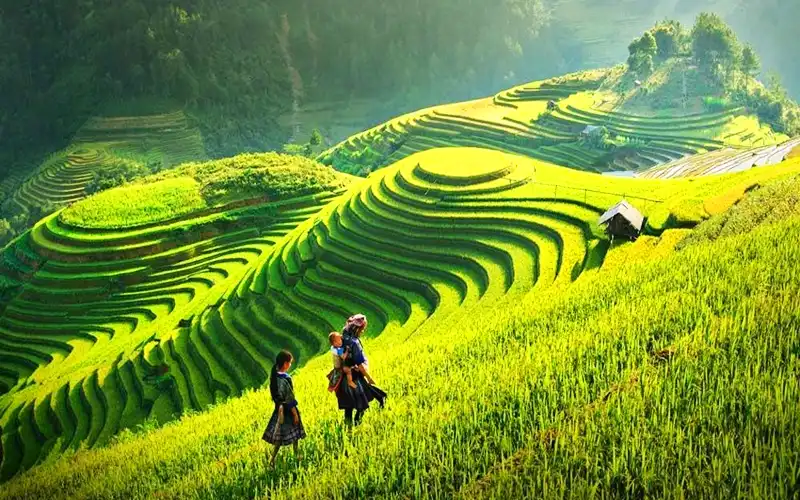
Table of Contents
1. Visit Fansipan
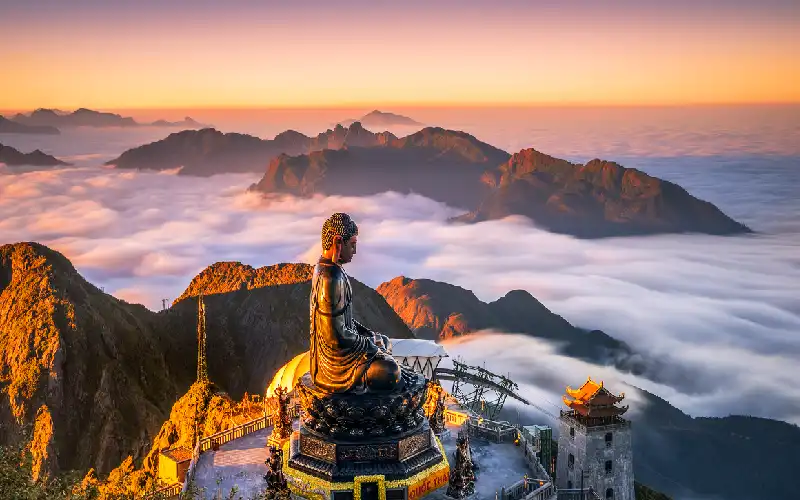
Fansipan is one of the most famous attractions in the Sapa region.
Known as the “Roof of Indochina,” the mountain reaches approximately 3,143 meters above sea level.
A visit to Fansipan can provide a completely different perspective of the surrounding mountains.
Depending on weather conditions, you may experience:
- Mountain panoramas
- Clouds and mist
- Dramatic mountain ridges
- Cool temperatures
- High-altitude scenery
Visibility can change quickly, so the experience depends significantly on weather.
For detailed planning, see [Fansipan Travel Guide].
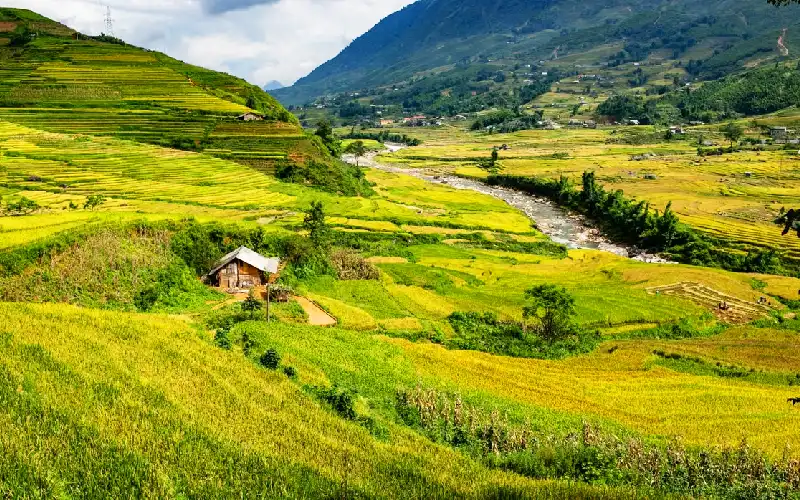
2. Explore Sapa’s Rice Terraces
The rice terraces are perhaps the most recognizable landscape around Sapa.
Rather than being a single attraction, they form a huge agricultural landscape across the mountain valleys.
The terraces change appearance throughout the year.
You may see:
Water-filled fields
→
Young green rice
→
Mature green terraces
→
Golden rice
→
Harvested fields
This makes Sapa interesting even for travelers who return during a different season.
For seasonal planning, see [Best Time to Visit Sapa].
3. Explore Muong Hoa Valley
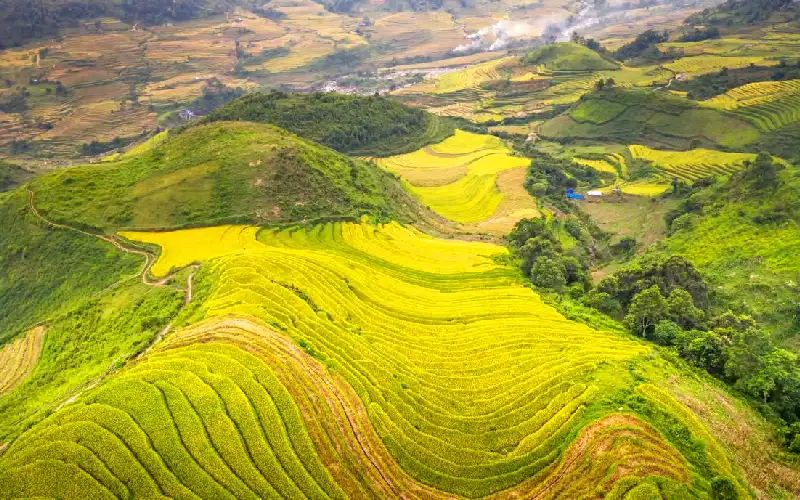
Muong Hoa Valley is one of the most scenic areas near Sapa.
The valley combines:
- Rice terraces
- Mountains
- Streams
- Villages
- Agricultural landscapes
It is also an important area for trekking.
Instead of simply visiting one viewpoint, spending several hours exploring the valley allows you to experience the landscape at a slower pace.
4. Trek Through Sapa’s Mountain Villages
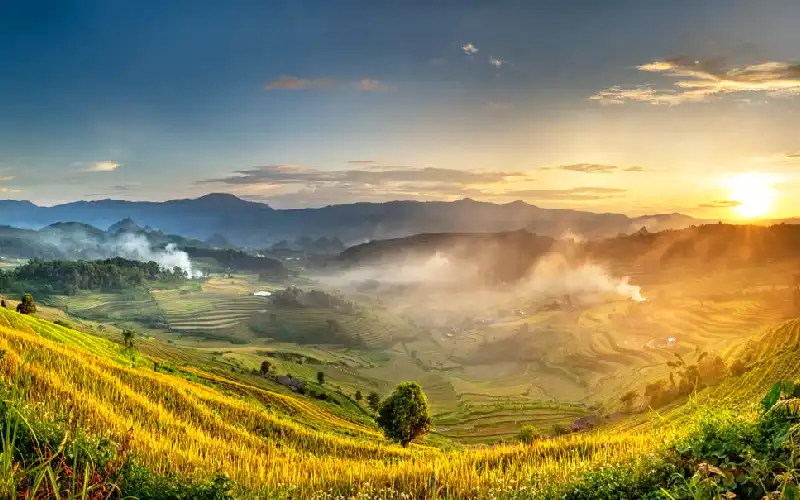
Trekking is one of the best ways to experience the countryside around Sapa.
A walking route can take you away from the town and into valleys and villages surrounded by mountains.
Depending on the route, you may encounter:
- Rice terraces
- Local homes
- Small paths
- Streams
- Farms
- Mountain viewpoints
The difficulty varies considerably between routes.
Choose a route based on your fitness, weather conditions and available time.
See [Sapa Trekking Guide] for more information.
5. Visit Cat Cat Village
Cat Cat Village is located relatively close to Sapa town and is one of the most visited cultural attractions in the area.
Visitors can explore:
- Traditional-style houses
- Mountain scenery
- Small paths
- Local handicrafts
- Water features
- Cultural displays
Because of its accessibility, Cat Cat can be a practical option for travelers who don’t want to undertake a long trek.
It can also fit easily into a short Sapa itinerary.
6. Visit Lao Chai Village
Lao Chai is located in the Muong Hoa Valley and offers a more expansive countryside experience.
The area is surrounded by dramatic mountains and rice terraces.
A visit can combine:
Village exploration
Rice terrace scenery
Walking
Photography
For travelers interested in landscapes rather than simply visiting attractions one by one, Lao Chai can be particularly rewarding.
7. Explore Ta Van Village
Ta Van is another popular destination in the Muong Hoa Valley.
The village environment provides opportunities to experience rural mountain life while exploring the surrounding landscape.
Some travelers choose to spend a night in a local homestay, while others visit as part of a day trek.
A homestay can provide a slower experience compared with staying exclusively in central Sapa.
8. Experience a Sapa Homestay
A homestay offers a different type of accommodation experience.
Instead of staying in a conventional hotel, travelers can spend time in or near a local village.
Depending on the property, you may experience:
- Traditional architecture
- Mountain views
- Local meals
- Rural surroundings
- Village life
Homestays vary considerably in facilities and comfort, so check the property details before booking.
For accommodation planning, see [Best Hotels in Sapa].
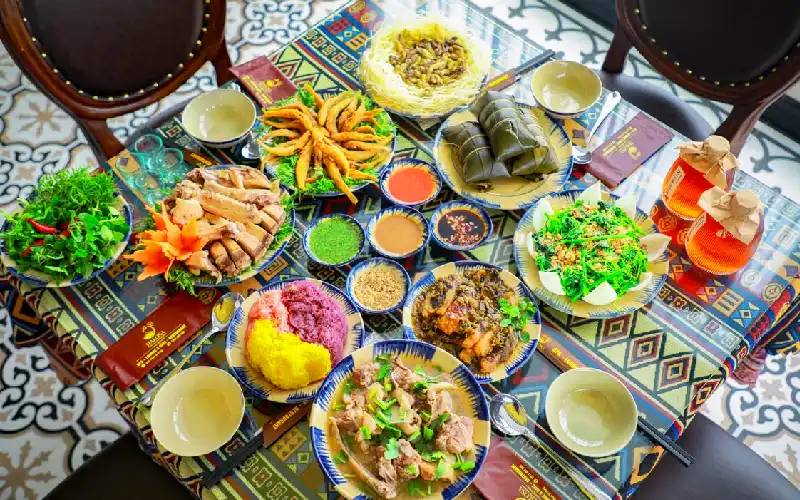
9. Try Local Food in Sapa
Food is an important part of the Sapa experience.
The cool mountain climate and local agricultural traditions contribute to a distinctive food culture.
Popular things to look for include:
- Grilled dishes
- Local vegetables
- Mountain-region specialties
- Hotpot
- Local-style sausages
- Grilled corn and other street foods
- Regional herbal drinks
Rather than focusing only on famous dishes, explore local restaurants and markets to discover different options.
10. Explore Sapa Town
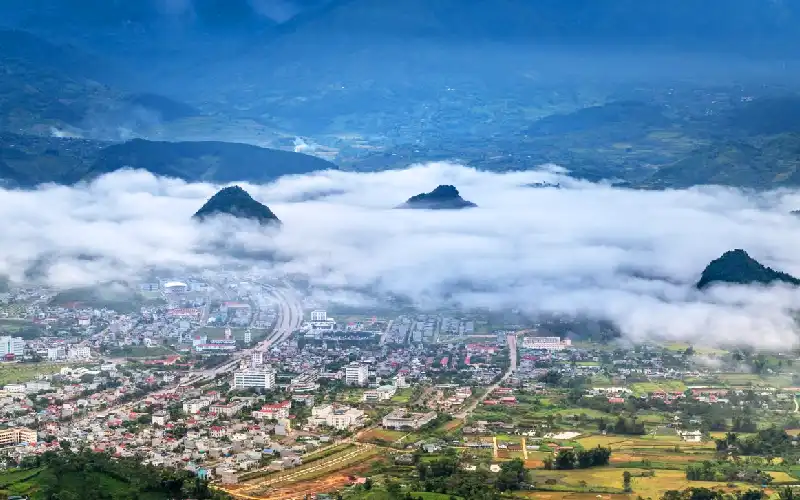
Not every part of your trip needs to involve trekking.
Sapa town itself is worth exploring.
You can spend time walking around:
- The central streets
- Local shops
- Cafés
- Restaurants
- Markets
- Scenic viewpoints
This is particularly useful on rainy days or after a long trekking day.
A slower afternoon in town can balance a more active mountain itinerary.
11. Visit Sapa Market
Markets provide another way to experience the local side of the destination.
Depending on the day and location, you may find:
- Fresh produce
- Local food
- Handicrafts
- Textiles
- Souvenirs
- Regional products
Market experiences can vary according to timing and location, so check current local information before planning your visit around a specific market.
12. Enjoy a Mountain-View Café
Sapa has numerous cafés positioned around the town and surrounding hills.
A café stop can be a simple but enjoyable activity, especially when the weather is cool.
Look for places offering views toward:
- Mountains
- Valleys
- Rice terraces
- Sapa town
Morning and late afternoon can provide different light conditions for photography.
13. Photograph the Rice Terraces
Sapa is an excellent destination for landscape photography.
You don’t necessarily need professional equipment.
Some of the best photographs can come from simple viewpoints along:
- Village paths
- Mountain roads
- Rice terraces
- Valley viewpoints
- Homestay balconies
For photographers, weather is often just as important as the location.
Clouds and mist can create dramatic images, while clear weather provides broader mountain views.
14. Discover Local Culture
Sapa is home to several ethnic communities with distinct cultural traditions.
Travelers can learn about local culture through:
- Villages
- Markets
- Handicrafts
- Food
- Traditional clothing
- Homestays
- Local guides
When visiting villages, remember that these are living communities rather than simply tourist attractions.
Respect local customs and ask before photographing people or private homes.
15. Visit Waterfalls and Natural Attractions
Several waterfalls and natural attractions can be included in a Sapa itinerary.
These can provide a useful change of scenery from rice terraces and mountain viewpoints.
Depending on your route, you can combine natural attractions with:
- Short walks
- Scenic drives
- Photography
- Countryside sightseeing
Weather conditions should be considered when planning outdoor activities.
How Many Things Can You See in One Trip?
Trying to visit every attraction is usually unnecessary.
For a first visit, it is better to combine several different experiences.
For example:
Nature
Fansipan + rice terraces
Culture
Village + local market
Activity
Trekking
Relaxation
Café + local food
This gives you a more balanced Sapa experience.
Best Things to Do in Sapa by Travel Style
| Traveler Type | Experiences to Consider |
|---|---|
| First-time visitor | Fansipan + villages + rice terraces |
| Nature lover | Muong Hoa Valley + trekking |
| Photographer | Rice terraces + viewpoints |
| Couple | Scenic cafés + villages + mountain views |
| Family | Fansipan + town + accessible attractions |
| Trekker | Muong Hoa Valley + village routes |
| Food lover | Markets + local restaurants |
| Culture traveler | Villages + homestay + local markets |
| Short-trip traveler | Fansipan + Cat Cat + Sapa town |
These are planning combinations rather than fixed itineraries.
How to Choose Your Sapa Activities
Before booking anything, ask three questions.
How much time do you have?
A 2-day trip requires different priorities from a 4-day trip.
How active do you want to be?
Some travelers want long treks, while others prefer sightseeing with short walks.
What type of scenery interests you?
You may prefer:
- Rice terraces
- High mountains
- Villages
- Waterfalls
- Town views
- Cultural experiences
Your answers will determine which attractions deserve the most time.
Sapa for a 2-Day Trip
If you only have two days, prioritize a few major experiences.
A possible structure:
Day 1
Sapa town
→
Fansipan
→
Local food
Day 2
Muong Hoa Valley
→
Village experience
→
Return to Sapa
This avoids spending most of your trip moving between too many locations.
Sapa for a 3-Day Trip
Three days provides considerably more flexibility.
You can combine:
Day 1: Sapa town + Fansipan
Day 2: Muong Hoa Valley + villages
Day 3: Countryside + food + relaxed exploration
For a detailed version, see [Sapa 3 Days 2 Nights Itinerary].
Sapa for a 4-Day Trip
With four days, you can slow down.
Consider adding:
- A longer trek
- A homestay
- Additional villages
- More photography time
- A relaxed café day
- Local food experiences
The additional day can also act as a weather buffer.
This is particularly useful if your itinerary includes mountain viewpoints.
A Simple Sapa Experience Formula
For a balanced trip, consider:
1 Mountain
1 Valley
1 Village
1 Cultural Experience
1 Food Experience
1 Relaxed Activity
This can produce a more varied trip without overcrowding your schedule.
Sapa Attractions, Activities & Travel Costs
Sapa is not a destination where you need to visit every attraction to have a good trip. The better approach is to choose a combination of mountains, valleys, villages, culture and food that matches your travel style.
This section compares the main experiences, what they involve, how much time they may require and the type of traveler they suit.
Price note: Activity costs below are indicative planning ranges, not fixed live prices. Prices can change according to season, operator, ticket type, guide, transport and availability.
Sapa Attractions at a Glance
| Experience | Time Needed | Main Appeal | Activity Level |
|---|---|---|---|
| Fansipan | 4–6 hours | Mountain views | Low–Moderate |
| Muong Hoa Valley | 3–6 hours | Rice terraces | Moderate |
| Cat Cat Village | 2–4 hours | Culture & scenery | Low–Moderate |
| Lao Chai | 2–4 hours | Rice terraces & village life | Moderate |
| Ta Van | 2–5 hours | Village experience | Moderate |
| Sapa town | 2–4 hours | Food & cafés | Low |
| Local market | 1–3 hours | Food & culture | Low |
| Waterfalls | 2–4 hours | Nature | Low–Moderate |
| Trekking | 3 hours–full day | Countryside | Moderate–High |
| Homestay | 1 night+ | Local experience | Low–Moderate |
The time required depends on your route, transportation and walking pace.
1. Fansipan: Mountain Experience
Fansipan is one of the most recognizable attractions in the Sapa region.
The experience is different from visiting the rice terraces because you are moving into a much higher mountain environment.
You can potentially experience:
- Mountain peaks
- Clouds and mist
- Panoramic viewpoints
- High-altitude scenery
- Mountain architecture
- Cooler temperatures
How much time?
Allow approximately half a day for a comfortable visit, depending on your transportation and time spent at the summit area.
Who is it best for?
Fansipan can suit:
- First-time visitors
- Families
- Couples
- Photographers
- Travelers with limited trekking experience
For detailed planning, see [Fansipan Travel Guide].
2. Muong Hoa Valley
Muong Hoa Valley is one of the key landscapes around Sapa.
Rather than being a single attraction, it is a large area containing:
- Rice terraces
- Villages
- Mountain slopes
- Streams
- Walking routes
The valley is particularly suitable for travelers who want to experience Sapa beyond the town center.
Recommended time
Approximately half a day for a basic visit.
A longer trekking route can take most of a day.
3. Cat Cat Village
Cat Cat is relatively close to Sapa town, making it convenient for visitors with limited time.
The area combines cultural displays, village scenery, small paths and mountain views.
Advantages
- Close to Sapa
- Easy to combine with other activities
- Suitable for short itineraries
- Plenty of photography opportunities
Consideration
It is one of the more frequently visited tourist areas around Sapa, so it may feel busier than more remote villages.
4. Lao Chai
Lao Chai is particularly attractive for travelers interested in rice terraces and countryside scenery.
Compared with simply visiting a viewpoint, walking around the valley allows you to see the landscape from different perspectives.
You may encounter:
- Terraced fields
- Local homes
- Farm areas
- Mountain paths
- Valley views
Best for
Photography + countryside + walking
5. Ta Van
Ta Van offers another opportunity to experience village life in the Muong Hoa area.
Travelers can combine Ta Van with a walking route through the valley.
Some visitors choose a homestay to experience the area after the day-trippers have left.
Best for
- Culture
- Slow travel
- Couples
- Longer stays
- Travelers interested in homestays
See [Best Hotels in Sapa] for the accommodation side of your trip.
6. Sapa Town
Don’t underestimate the town itself.
After spending hours in the mountains, Sapa town can be a good place to slow down.
You can explore:
- Cafés
- Restaurants
- Local shops
- Markets
- Streets around the central area
- Viewpoints
This is also one of the easiest activities to fit around changing weather.
7. Sapa Local Markets
Markets can provide a more direct look at local food, products and daily life.
Depending on the market and day, you may find:
- Fresh produce
- Local foods
- Textiles
- Handicrafts
- Souvenirs
- Regional products
Market opening times and activities can change, so check current local information before planning your entire day around a specific market.
8. Sapa Waterfalls
Waterfalls provide a different type of scenery from the rice terraces.
A waterfall visit can be combined with:
- Short walks
- Countryside sightseeing
- Photography
- Mountain roads
These are useful additions when you want to diversify your itinerary rather than spending the entire trip around rice terraces.
9. Sapa Trekking
Trekking is one of the most flexible activities in Sapa.
You don’t necessarily need a full-day trek.
Possible options range from:
Short walk
→
Half-day trek
→
Full-day trek
→
Multi-day village experience
The appropriate route depends on:
- Fitness
- Weather
- Trail conditions
- Walking experience
- Time available
See [Sapa Trekking Guide] for a dedicated guide.
10. Homestay Experience
A homestay can change the pace of your trip.
Instead of returning to central Sapa every evening, you can stay closer to the countryside.
Potential experiences include:
- Local meals
- Village surroundings
- Mountain views
- Early-morning scenery
- Cultural interaction
The facilities vary widely, so check the accommodation description carefully.
Sapa Activities: Free vs Paid
Not everything in Sapa requires an entrance ticket or organized tour.
Free or Low-Cost Experiences
Depending on location and access:
- Walking around Sapa town
- Exploring public streets
- Photography
- Enjoying viewpoints
- Exploring some village areas
- Visiting local food areas
Paid Experiences
Examples may include:
- Fansipan
- Certain attraction areas
- Organized trekking
- Guided tours
- Homestays
- Transportation
- Specific cultural attractions
Always check the latest ticket and service prices before your trip.
Indicative Sapa Activity Budget
A practical planning range might look like this:
| Activity Type | Indicative Cost |
|---|---|
| Walking / town exploration | Free–low cost |
| Café / local food | US$2–15+ |
| Local attraction | US$2–10+ |
| Guided half-day activity | US$15–40+ |
| Guided full-day trek | US$25–70+ |
| Homestay | US$15–50+ per night |
| Premium guided experience | US$50–100+ |
These figures are planning estimates only. Actual prices vary according to the provider, inclusions, season and booking date.
Fansipan vs Trekking
These are two very different ways to experience Sapa.
| Fansipan | Trekking | |
|---|---|---|
| Main attraction | High mountain | Countryside |
| Physical effort | Lower–Moderate | Moderate–High |
| Main scenery | Mountain panorama | Rice terraces & villages |
| Duration | Several hours | Half/full day |
| Guide required | Not always | Often useful |
| Best for | Broad range of travelers | Active travelers |
If you’re traveling with children or older family members, consider the physical demands of your chosen trekking route rather than assuming every Sapa activity has the same difficulty.
Cat Cat vs Lao Chai vs Ta Van
These three destinations are often compared.
Cat Cat
Best suited to travelers who want an accessible cultural attraction close to Sapa.
Lao Chai
Strong choice for rice terraces and valley scenery.
Ta Van
Suitable for travelers looking for village experiences and a slower pace.
They don’t necessarily need to be treated as competing attractions.
A well-planned itinerary can combine more than one.
Which Sapa Experience Is Best for Families?
Families may prefer activities that allow flexibility.
Good options can include:
- Fansipan
- Sapa town
- Scenic viewpoints
- Short countryside walks
- Accessible villages
- Local food experiences
Long trekking routes may not be suitable for every child.
Choose activities according to age, walking ability and weather.
Which Experiences Are Best for Couples?
Couples can combine sightseeing with slower activities.
For example:
Morning: Fansipan
Afternoon: Café with a mountain view
Evening: Local dinner
Another option is:
Morning: Muong Hoa Valley
Afternoon: Village exploration
Evening: Homestay or scenic accommodation
The goal doesn’t need to be seeing as many attractions as possible.
Which Experiences Are Best for Solo Travelers?
Solo travelers have greater flexibility to adjust their schedule.
You can combine:
- Trekking
- Local markets
- Cafés
- Photography
- Village exploration
- Food experiences
Joining a small group can also be an option for travelers who want company during longer activities.
Which Experiences Are Best for Photographers?
If photography is your priority, focus on landscapes rather than collecting attraction check-ins.
Good subjects include:
Rice terraces
Especially during visually distinctive stages of the agricultural cycle.
Mountain valleys
Early and late light can create different moods.
Villages
Look for natural scenes rather than staged photographs.
Fansipan
Clouds and mountain layers can create dramatic compositions.
Local life
Always be respectful when photographing people.
How Much Time Should You Spend at Each Attraction?
A common mistake is trying to visit too many places in one day.
Instead, consider:
Morning
One major attraction
↓
Lunch
Local food
↓
Afternoon
One village or valley
↓
Evening
Town + café + dinner
This gives you time to actually experience the destination rather than spending most of the day traveling between stops.
Example: Balanced One-Day Sapa Experience
If you only have one full day:
08:00 – Breakfast
09:00 – Muong Hoa Valley
12:30 – Local lunch
14:00 – Village exploration
16:30 – Return toward Sapa
17:00 – Café / viewpoint
19:00 – Dinner
This is only an example. You can replace the valley experience with Fansipan depending on your priorities.
Example: Two-Day Activity Plan
Day 1 – Mountain
Sapa town
→
Fansipan
→
Café
→
Local dinner
Day 2 – Countryside
Muong Hoa Valley
→
Lao Chai
→
Ta Van
→
Return to Sapa
This gives you two distinctly different experiences.
Example: Three-Day Activity Plan
Day 1
Sapa town + Fansipan
Day 2
Muong Hoa Valley + Lao Chai + Ta Van
Day 3
Short trek + local food + relaxed sightseeing
For a complete itinerary with transportation considerations, see [Sapa 3 Days 2 Nights Itinerary].
Don’t Try to Visit Everything
Sapa rewards travelers who slow down.
Trying to visit:
Fansipan + Cat Cat + Lao Chai + Ta Van + waterfalls + markets + trekking
all within one day will create a rushed itinerary.
A better approach is to choose:
1 major mountain experience
1 countryside experience
1 cultural experience
1 relaxed activity
This creates a much more manageable trip.
How Weather Should Influence Your Activities
Weather matters particularly in Sapa because many attractions are outdoors.
Clear Weather
Prioritize:
- Fansipan
- Viewpoints
- Photography
- Mountain scenery
Light Rain
Consider:
- Village visits
- Food
- Cafés
- Short walks
Heavy Rain
Consider:
- Sapa town
- Restaurants
- Cafés
- Indoor cultural experiences
Then move your main outdoor activity to a better weather window if possible.
For seasonal planning, see [Best Time to Visit Sapa].
How to Build Your Own Sapa Activity List
Use this simple formula:
Step 1
Choose your main attraction:
Fansipan OR Muong Hoa Valley
Step 2
Choose a cultural experience:
Village OR market OR homestay
Step 3
Choose an active experience:
Trekking OR countryside walk
Step 4
Choose a relaxed experience:
Café OR local food OR town exploration
You now have a balanced Sapa itinerary without needing to visit every attraction.
Frequently Asked Questions About Things to Do in Sapa
This section answers common questions from first-time visitors and helps travelers plan a more enjoyable trip to Sapa.
It also provides useful internal links to related guides, helping readers continue their travel planning journey.
Frequently Asked Questions
1. What are the best things to do in Sapa for first-time visitors?
For most first-time travelers, a balanced itinerary works best.
Popular experiences include:
- Fansipan
- Muong Hoa Valley
- Rice terraces
- Lao Chai Village
- Ta Van Village
- Local food
- Sapa town
- Short trekking routes
A 2–3 day trip usually provides enough time to combine mountain scenery, cultural experiences and relaxation.
For transportation information, see [Hanoi to Sapa Transportation Guide].
2. Is Fansipan worth visiting?
Fansipan is one of the most popular attractions in northern Vietnam.
Visitors can enjoy:
- Mountain scenery
- High-altitude views
- Clouds and mist
- Photography opportunities
Weather conditions significantly influence the experience, so checking the forecast before your visit is recommended.
See [Fansipan Travel Guide] for more details.
3. How many days should I spend in Sapa?
Recommended trip length:
| Duration | Experience |
|---|---|
| 1 Day | Very rushed |
| 2 Days | Main highlights |
| 3 Days | Balanced trip |
| 4 Days | Relaxed exploration |
| 5+ Days | Trekking and deeper experiences |
Three days is often a practical balance between sightseeing and relaxation.
For itinerary ideas, see [Sapa 3 Days 2 Nights Itinerary].
4. What is the best time to visit Sapa?
Sapa changes throughout the year.
Travelers may choose different seasons depending on their interests:
- Green rice terraces
- Golden harvest landscapes
- Cooler weather
- Mountain views
- Photography
Weather conditions can change quickly in mountain areas.
5. Is trekking difficult in Sapa?
Trekking routes vary considerably.
Options include:
- Short village walks
- Half-day treks
- Full-day routes
- Multi-day experiences
Travelers should choose a route according to:
- Fitness
- Weather
- Trail conditions
- Available time
6. Which villages should I visit?
Popular villages include:
Cat Cat
Close to Sapa town.
Lao Chai
Known for rice terraces.
Ta Van
Suitable for a slower experience.
The best choice depends on your interests and available time.
7. Can I visit Sapa without trekking?
Yes.
Many travelers enjoy Sapa through:
- Fansipan
- Scenic roads
- Cafés
- Local food
- Viewpoints
- Villages with short walks
8. Is Sapa suitable for families?
Many attractions can suit families, including:
- Fansipan
- Sapa town
- Scenic viewpoints
- Short countryside walks
- Local food experiences
9. Is Sapa suitable for couples?
Sapa can be attractive for couples looking for:
- Mountain views
- Cafés
- Villages
- Homestays
- Photography
- Scenic accommodation
Many hotels and homestays offer mountain-view rooms.
For accommodation options, see [Best Hotels in Sapa].
10. Where should I stay in Sapa?
Accommodation areas include:
Central Sapa
Convenient for restaurants and transport.
Muong Hoa Area
Closer to nature.
Village Homestays
More peaceful surroundings.
The best location depends on your travel style.
See [Best Hotels in Sapa].
11. Can I combine Sapa with other destinations?
Yes.
Popular combinations include:
Sapa + Ha Giang
Mountain landscapes and scenic roads.
See [Sapa to Ha Giang Travel Guide].
Sapa + Ninh Binh
Mountains and limestone landscapes.
Sapa + Ha Long Bay
Mountains and cruises.
Suggested Sapa Itineraries
2 Days
Day 1:
Fansipan
↓
Sapa town
↓
Local dinner
Day 2:
Muong Hoa Valley
↓
Village exploration
↓
Return
3 Days
Day 1:
Fansipan
↓
Sapa town
Day 2:
Lao Chai
↓
Ta Van
↓
Rice terraces
Day 3:
Café
↓
Local market
↓
Relaxed sightseeing
4 Days
Day 1:
Fansipan
Day 2:
Villages
Day 3:
Trekking
Day 4:
Food and photography
Common Mistakes to Avoid
Trying to see too much
Sapa is better enjoyed slowly.
Avoid planning:
Fansipan
Cat Cat
Lao Chai
Ta Van
Waterfalls
Markets
all in one day.
Ignoring the weather
Clouds and rain can affect visibility.
Check forecasts before visiting mountain viewpoints.
Choosing unsuitable trekking routes
Select routes based on:
- Fitness
- Weather
- Experience
Booking accommodation too far away
Remote locations can offer excellent views but may require more transportation.
Check the location before booking.
Combining Sapa With Other Destinations
One advantage of Sapa is that it fits well into longer northern Vietnam itineraries.
Option 1
Hanoi
↓
Sapa
↓
Ha Giang
Option 2
Hanoi
↓
Sapa
↓
Ninh Binh
Option 3
Hanoi
↓
Sapa
↓
Ha Long Bay
Option 4
Hanoi
↓
Sapa
↓
Ninh Binh
↓
Ha Long Bay
This creates opportunities to introduce readers to other destinations on your website.
Hotel Booking Opportunity
Many visitors need accommodation after reading about Sapa attractions.
You can add a section like this:
Looking for the Best Place to Stay in Sapa?
From budget homestays to luxury mountain resorts, Sapa offers accommodation for every travel style.
Compare:
- Hotels
- Homestays
- Mountain resorts
- Family rooms
- Romantic stays
See our guide:
👉 [Best Hotels in Sapa]
Cruise Booking Opportunity
If travelers continue to Ha Long Bay, you can naturally introduce cruises.
Example:
Continuing Your Journey After Sapa?
Many travelers combine Sapa with Ha Long Bay.
After exploring northern Vietnam’s mountains, a cruise offers a different experience:
- Limestone islands
- Scenic bays
- Overnight cruises
- Kayaking
- Seafood dining
Explore:
This is a very natural cross-selling path:
Traffic article
↓
Destination guide
↓
Hotel booking
↓
Cruise booking
↓
Transportation booking
Transportation Booking Opportunity
You can also add:
Need Transportation in Northern Vietnam?
Planning a trip between Hanoi, Sapa, Ninh Binh and Ha Long Bay?
Compare:
- Limousine buses
- Shuttle services
- Private cars
- Family transfers
Explore:
👉 [Hanoi to Sapa Transportation Guide]
Final Thoughts
Sapa offers much more than one famous attraction.
A good trip often combines:
✔ Mountains
✔ Rice terraces
✔ Villages
✔ Food
✔ Relaxation
✔ Local experiences
Instead of trying to see everything, choose experiences that match your travel style and available time.
With good planning, Sapa can become one of the highlights of northern Vietnam.