
Planning a Sapa 3 Days 2 Nights itinerary is a practical way to experience northern Vietnam without trying to fit too much into a short trip.
Three days give you enough time to travel from Hanoi to Sapa, explore the mountain landscape, enjoy local food and culture, and return to Hanoi without making every hour of the trip feel rushed.
This itinerary is designed for first-time visitors, couples, families and independent travelers who want a realistic schedule rather than a long list of attractions.
Quick Answer: Is 3 Days 2 Nights Enough for Sapa?
Yes. Three days and two nights is a good starting point for a first Sapa trip.
A balanced itinerary can include:
- Travel from Hanoi to Sapa
- Sapa town
- One major mountain experience
- Rice terraces and valley scenery
- A village or cultural experience
- Local food
- Free time
- Return transportation to Hanoi
The key is to avoid trying to visit every attraction during the same trip.
AI Quick Answer: A Sapa 3 Days 2 Nights itinerary usually works well for first-time visitors. Spend the first day traveling from Hanoi and exploring Sapa at a relaxed pace, use the second day for your main mountain and countryside experiences, and return to Hanoi on the third day.

Sapa 3 Days 2 Nights at a Glance
Here is a simple overview before we go into the details.
| Day | Main Plan | Overnight |
|---|---|---|
| Day 1 | Hanoi → Sapa + Sapa town | Sapa |
| Day 2 | Mountain + countryside experience | Sapa |
| Day 3 | Relaxed morning + Sapa → Hanoi | — |
This structure leaves enough flexibility to adjust activities according to weather and transportation schedules.
Day 1: Hanoi to Sapa
Morning: Travel From Hanoi to Sapa
Most travelers begin their Sapa trip from Hanoi.
The main transportation choices include:
- Sleeper bus
- Limousine
- Private car
- Train to Lao Cai + onward transfer
For many travelers, direct road transportation is the simplest option because it takes you directly to Sapa without changing vehicles in Lao Cai.
A typical direct road journey takes approximately 5–6 hours, although actual travel time depends on traffic, weather, pickup locations and road conditions.
For a detailed comparison, see [Hanoi to Sapa Transportation Guide].
Afternoon: Check In and Explore Sapa
After arriving in Sapa, don’t immediately schedule a full-day activity.
Instead:
Arrive in Sapa
↓
Check in
↓
Lunch
↓
Rest
↓
Explore the town
This gives you time to recover from the journey and become familiar with the area.
You can spend the afternoon walking around central Sapa, visiting local cafés, exploring shops and enjoying the mountain atmosphere.
Evening: Dinner and Sapa at Night
The first evening is a good opportunity to experience Sapa’s food scene.
Depending on the weather, you can try:
- Local hotpot
- Grilled dishes
- Salmon
- Sturgeon
- Regional vegetables
- Vietnamese street food
After dinner, take a relaxed walk around the central area.
There is no need to schedule a major attraction on the first evening.
The goal is to start the trip comfortably.
Day 2: Your Main Sapa Experience
Day 2 should be the main sightseeing day.
Rather than trying to visit every attraction, choose experiences based on your interests.
There are three useful approaches.
Option A: Mountain-Focused Day
This option works well for first-time visitors who want to experience Sapa’s highland scenery.
A possible structure is:
Morning
Fansipan / mountain experience
↓
Lunch
↓
Afternoon
Mountain viewpoints or surrounding countryside
↓
Evening
Return to Sapa
↓
Dinner
This option minimizes unnecessary travel between different areas.
Option B: Valley and Village Day
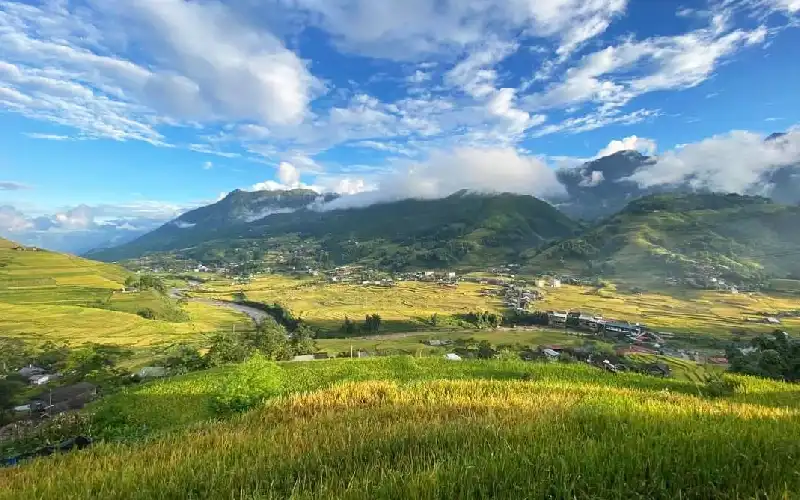
Travelers interested in landscapes and local culture can dedicate the day to the countryside.
A possible structure is:
Morning
Travel toward the Muong Hoa Valley area
↓
Village and rice terrace experience
↓
Lunch
↓
Afternoon
Continue exploring the surrounding countryside
↓
Return to Sapa
This option is particularly suitable for travelers who enjoy photography and walking.
For more destination information, see [Best Things to Do in Sapa].
Option C: Balanced Sapa Day
If you want a combination of different experiences, create a balanced itinerary.
For example:
Morning
Mountain experience
↓
Lunch
↓
Afternoon
Valley or village experience
↓
Evening
Free time in Sapa
This gives you a broad introduction to the region without making the day excessively crowded.
How to Choose Your Day 2 Option
Your choice should depend on your travel style.
| Travel Style | Suggested Focus |
|---|---|
| First-time visitor | Balanced itinerary |
| Nature lover | Valley + mountain scenery |
| Photographer | Rice terraces + countryside |
| Culture-focused | Villages + local experiences |
| Couple | Mountain + relaxed afternoon |
| Family | Shorter sightseeing + flexible schedule |
| Outdoor traveler | Countryside + walking/trekking |
You don’t need to follow the same itinerary as everyone else.
The best schedule is the one that matches your available time and interests.
Day 3: Sapa Morning and Return to Hanoi
The final day should be kept relatively flexible.
Morning
Have breakfast at your hotel and enjoy a final walk around Sapa.
Depending on your departure time, you may have time for:
- Coffee
- Shopping
- Local food
- A short town walk
- Relaxing at your hotel
Avoid planning a long countryside excursion if you have a fixed afternoon departure.
Return to Hanoi
After checking out, travel back to Hanoi by your selected transportation.
If you’re traveling by direct road service, the journey will generally take several hours.
Keep your evening schedule flexible because arrival time can be affected by traffic and road conditions.
If you have a flight from Hanoi later that day, allow a generous buffer between your expected arrival in Hanoi and your flight departure.
For airport transportation, see [Noi Bai Airport Transfer Guide].
A More Detailed 3-Day Schedule
For travelers who prefer a timetable, this is a practical example.
Day 1
07:00–08:00
Depart Hanoi
12:00–14:00
Arrive in Sapa, depending on transportation and traffic
14:00–15:30
Hotel check-in and lunch
15:30–18:00
Explore Sapa at a relaxed pace
18:30–20:00
Dinner
Evening
Free time
Day 2
07:30–08:30
Breakfast
09:00–12:00
Main morning activity
12:00–13:30
Lunch
14:00–17:00
Countryside, cultural or mountain experience
18:30
Dinner
Evening
Free time
Day 3
07:30–09:00
Breakfast
09:00–11:00
Free time
11:00–12:00
Check out
12:00 onward
Return to Hanoi
The exact times should be adjusted according to your transportation booking and activity schedule.
Should You Stay in Sapa Town or Outside the Center?
This is an important decision when planning a 3-day trip.
Staying in Sapa Town
Advantages include:
- Easier access to restaurants
- More cafés
- Convenient transportation
- More accommodation choices
- Easier evening activities
This is often practical for first-time visitors.

Staying Outside Sapa Town
Mountain and valley properties can offer:
- Quieter surroundings
- Rural atmosphere
- Scenic views
- Closer access to certain countryside areas
However, transportation can require more planning.
If your trip is only two nights, consider how much time you want to spend traveling between your accommodation and the places you plan to visit.
How Much Time Should You Spend Traveling?
One of the biggest mistakes in a short Sapa itinerary is underestimating transportation time.
Sapa is mountainous, so journeys that look short on a map may take longer than expected.
When planning each day, consider:
Hotel → Attraction
Attraction → Restaurant
Restaurant → Hotel
Instead of only looking at the distance between two attractions.
This is one reason a geographically organized itinerary is usually more comfortable than moving randomly around the region.
Is Sapa 3 Days 2 Nights Enough for Couples?
Yes.
Couples can make the itinerary more relaxed by combining:
Mountain scenery
Local food
Scenic accommodation
Cafés
Countryside experiences
You don’t need to fill every hour with sightseeing.
Leaving some free time can make the trip feel more like a holiday rather than a checklist.
For accommodation planning, see [Best Hotels in Sapa].
Is Sapa 3 Days 2 Nights Suitable for Families?
It can be, but the itinerary should be adjusted according to the family’s needs.
Families may prefer:
- Comfortable transportation
- Convenient accommodation
- Shorter walking routes
- Flexible meal times
- More rest periods
Avoid scheduling several demanding outdoor activities on the same day.
The most important consideration is creating a schedule that everyone can comfortably follow.
Is 3 Days 2 Nights Enough for Trekking?
It can be.
However, you don’t need to dedicate the entire trip to trekking.
A practical approach is to reserve part of Day 2 for a countryside walking experience and keep the rest of the itinerary flexible.
The difficulty of trekking routes varies considerably, so choose according to your experience, weather and current trail conditions.
What Makes This Itinerary Different?
A common mistake when planning Sapa is trying to include every famous location in a single trip.
This itinerary follows a different principle:
Travel less, experience more.
Instead of constantly moving between attractions, each day has a clear purpose.
Day 1
Arrival + Sapa
Day 2
Main Sapa Experience
Day 3
Relax + Return
This structure gives you flexibility when weather or transportation conditions change.
Quick Planning Checklist
Before booking your Sapa trip, decide:
☐ Travel dates
☐ Transportation from Hanoi
☐ Hotel location
☐ Main Day 2 activity
☐ Return transportation
☐ Weather conditions
☐ Restaurant preferences
☐ Any trekking requirements
Once these are confirmed, the rest of the itinerary can remain flexible.
Sapa 3 Days 2 Nights Itinerary: Transportation, Hotels, Food & Budget
Planning the itinerary is only one part of a Sapa trip. Transportation, accommodation, meals and activity costs can have a significant effect on the overall budget.
The following section helps you estimate the cost of a 3 Days 2 Nights Sapa trip and choose options according to your travel style.
Price note: The prices below are indicative planning ranges, not fixed quotations. Actual prices can change depending on travel dates, season, weekends, holidays, hotel category, transportation operator, room type and availability.
How Much Does a 3 Days 2 Nights Sapa Trip Cost?
For a traveler starting from Hanoi, a reasonable planning range is approximately:
| Travel Style | Estimated Budget / Person |
|---|---|
| Budget | US$100–180 |
| Mid-Range | US$180–300 |
| Comfortable | US$300–500 |
| Luxury | US$500+ |
These estimates can include transportation, two nights of accommodation, meals and selected activities, but the exact total depends heavily on your choices.
International flights are not included.
1. Transportation Cost
Transportation is one of the first expenses to consider.
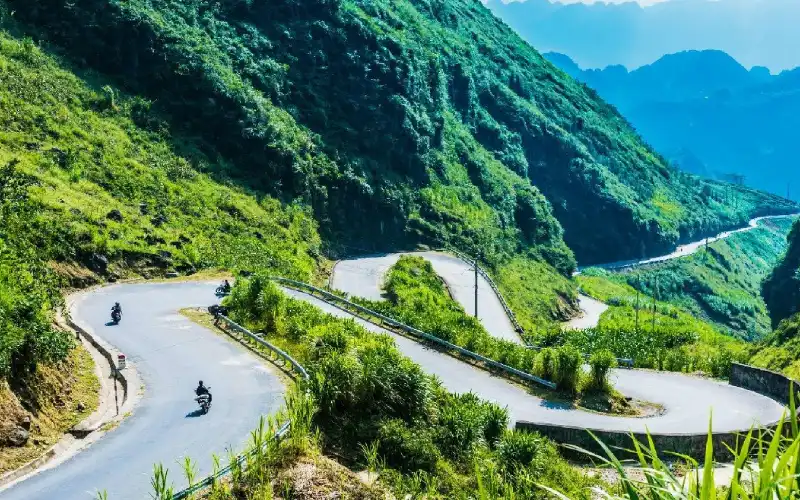
Sleeper Bus
Typical indicative range:
US$10–20/person one way
A sleeper bus is generally one of the lower-cost options for traveling between Hanoi and Sapa.
It can be suitable for:
- Budget travelers
- Solo travelers
- Backpackers
- Travelers who prioritize price
Limousine
Indicative range:
US$15–30/person one way
A limousine can offer a more comfortable alternative to a standard bus.
Depending on the operator, services may include:
- Hotel pickup or designated pickup point
- Reclining seats
- Air conditioning
- Luggage storage
- Fewer passengers than a large bus
See [Hanoi to Sapa Transportation Guide] for a broader comparison.
Private Car
Indicative range:
US$70–120+ per vehicle one way
A private car is priced by vehicle rather than per passenger.
For this reason, it can become more practical for:
- Families
- Couples
- Small groups
- Travelers with multiple pieces of luggage
The actual price depends on vehicle type, pickup location, date and route.
See [Hanoi to Sapa Private Car] for more information.
2. Accommodation Cost
Accommodation is another major part of your Sapa budget.
Budget Accommodation
Approximate planning range:
US$15–35/night
Possible options include:
- Hostels
- Guesthouses
- Simple hotels
- Basic homestays
These are suitable for travelers who plan to spend most of their time outside the accommodation.
Mid-Range Hotels
Approximate planning range:
US$35–80/night
These properties may provide:
- Private rooms
- Breakfast
- Better facilities
- Convenient locations
- Mountain or town views
For many first-time visitors, this category provides a practical balance between comfort and cost.
Boutique and Upscale Hotels
Approximate planning range:
US$80–180+/night
These properties may offer:
- Larger rooms
- Mountain views
- Better facilities
- Restaurants
- Spa services
- Swimming pools
- More distinctive design
Luxury Resorts
Luxury properties can cost:
US$180–400+ per night
Premium rooms and suites may be considerably more expensive during busy periods.
If you are planning a special occasion, compare the complete package rather than looking only at the room rate.
3. Food Budget
Food costs in Sapa can vary significantly depending on where you eat.
Budget Meals
Approximately:
US$3–7/person
Local restaurants and casual eateries can provide relatively affordable meals.
Mid-Range Dining
Approximately:
US$7–15/person
This can include more comfortable restaurants and a wider range of dishes.
Premium Dining
Approximately:
US$15–30+/person
Higher-end restaurants, hotel restaurants and specialty dining can cost more.
What Should You Eat During 3 Days in Sapa?
Instead of trying every dish, choose a few regional specialties.
Popular options include:
- Sapa-style hotpot
- Salmon
- Sturgeon
- Grilled dishes
- Local vegetables
- Bamboo rice
- Vietnamese coffee
A practical food schedule could be:
Day 1
Local dinner after arriving in Sapa.
Day 2
Breakfast at the hotel → local lunch → hotpot or regional dinner.
Day 3
Breakfast → light lunch before departure.
For a more detailed food guide, see [Best Food to Try in Sapa].
4. Activity Costs
Activity expenses depend on your itinerary.
Possible costs include:
- Attraction tickets
- Cable car
- Local transportation
- Trekking guide
- Cultural activities
- Cooking experiences
- Entrance fees
Not every activity requires a separate ticket.
If you’re building a budget, create a separate activities allowance rather than assuming everything is included in your hotel or transportation price.
5. Three Sapa Budget Examples
Budget Sapa Trip
A budget traveler might choose:
Sleeper bus
Budget accommodation
Local restaurants
Mostly independent sightseeing
An indicative total could be around:
US$100–180/person
for the main trip components.
Mid-Range Sapa Trip
A mid-range traveler might choose:
Limousine
Comfortable hotel
Local and mid-range restaurants
Selected paid activities
Indicative total:
US$180–300/person
Comfortable Sapa Trip
A traveler looking for greater comfort could choose:
Premium limousine or private transportation
Boutique hotel
Better restaurants
Several paid activities
Indicative total:
US$300–500/person
Luxury Sapa Trip
A luxury trip may include:
Private transportation
Luxury accommodation
Premium dining
Private experiences
The budget can easily exceed:
US$500/person
and may increase substantially depending on the hotel and transportation choices.
Sapa Itinerary for Couples
Couples don’t necessarily need a completely different itinerary.
The main difference can be the pace.
A comfortable couple’s trip could look like:
Day 1
Hanoi → Sapa
Hotel check-in
Relaxed town exploration
Dinner
Day 2
Mountain experience
↓
Long lunch
↓
Scenic countryside
↓
Café or relaxed evening
Day 3
Slow breakfast
↓
Free time
↓
Return to Hanoi
The important point is to leave enough time for the two of you to enjoy the destination rather than constantly moving between locations.
Sapa Itinerary for Families
Families may benefit from a more flexible schedule.
A possible structure is:
Day 1
Travel to Sapa
↓
Hotel check-in
↓
Short town exploration
Day 2
One major attraction
↓
Lunch
↓
Relaxed afternoon
Day 3
Breakfast
↓
Short activity if time permits
↓
Return to Hanoi
Avoid making every day a full-day trekking program.
Children’s ages, weather and individual mobility should be considered when choosing activities.
Sapa Itinerary for Solo Travelers
Solo travelers have more flexibility.
A practical approach is:
Day 1
Travel to Sapa
↓
Explore the town
Day 2
Join a group activity or local tour
↓
Explore the countryside
Day 3
Free morning
↓
Return to Hanoi
Group activities can also provide opportunities to meet other travelers.
Should You Book Everything in Advance?
Not necessarily.
However, several things are worth arranging before your trip.
Book in Advance
Consider booking these ahead of time:
- Transportation from Hanoi
- Hotel
- Major attractions with limited availability
- Private guide if required
- Special dining experiences
Can Be Flexible
You can often decide later:
- Cafés
- Local restaurants
- Short walks
- Shopping
- Free-time activities
This gives you flexibility when weather conditions change.
How to Choose the Right Hotel for This Itinerary
Don’t choose accommodation based only on the room photos.
Check:
Location
Is it convenient for your planned activities?
Transportation
Can your vehicle reach the hotel?
View
Is the advertised view included with your room category?
Breakfast
Does the rate include breakfast?
Cancellation
What happens if your travel plans change?
Reviews
Look for recent reviews rather than relying only on the property’s overall rating.
Should You Stay Two Nights in One Hotel?
For most 3 Days 2 Nights trips, staying in the same hotel for both nights is the simplest option.
You avoid:
- Packing again
- Checking out
- Checking in
- Moving luggage
Changing accommodation can make sense if you specifically want to experience both central Sapa and a countryside property.
However, it is usually less convenient for a short trip.
How to Organize Transportation Around Your Itinerary
A simple transportation plan is:
Day 1
Hanoi → Sapa
Day 2
Hotel → Activity → Hotel
Day 3
Sapa → Hanoi
If you choose private transportation for Day 2, you may have more flexibility to combine several locations.
However, public transportation, local taxis and organized tours can also work depending on your itinerary.
The goal is not to choose the most expensive transportation.
The goal is to choose the option that fits your group size, budget and schedule.
When Is a Private Car Worth Considering?
A private car is not necessary for every traveler.
It may be useful when:
- You are traveling as a family
- You have a small group
- You have significant luggage
- You want a flexible departure time
- You want to combine several destinations
- You are continuing to another destination
For a solo traveler, a bus or limousine may be more economical.
For a group, calculate the total vehicle price and divide it by the number of passengers before comparing.
How to Reduce the Total Cost
You don’t need to sacrifice the entire experience to save money.
Choose Transportation Carefully
Compare total cost rather than the cheapest advertised fare.
Stay in a Convenient Location
A slightly more expensive hotel can sometimes reduce additional transportation costs.
Combine Nearby Activities
Avoid unnecessary backtracking.
Eat Locally
Local restaurants can offer good-value meals.
Avoid Peak Dates
Prices can increase during weekends, holidays and periods of high demand.
Example Total Budget for Two Travelers
Here’s an illustrative example for two people.
| Expense | Budget | Mid-Range | Comfortable |
|---|---|---|---|
| Hanoi–Sapa transport | $40 | $60 | $150 |
| 2 hotel nights | $60 | $120 | $250 |
| Food | $60 | $100 | $160 |
| Activities | $20 | $60 | $120 |
| Local transportation | $20 | $40 | $80 |
| Estimated total | $200 | $380 | $760 |
These figures are illustrative planning examples, not current quotations.
The actual total may be higher or lower depending on your travel dates, hotel, group size, activities and transportation.
What Should You Prioritize With a Limited Budget?
If you need to reduce costs, prioritize:
1. Transportation
Choose a reliable shared service rather than automatically selecting the most expensive option.
2. Accommodation
Choose a clean and convenient hotel rather than paying for facilities you won’t use.
3. Main Experience
Choose one or two activities that are most important to you.
4. Food
Mix local restaurants with a few more special meals.
This approach keeps the trip enjoyable without unnecessary expenses.
Booking Your Sapa Trip as One Itinerary
For international visitors, it can be easier to think about the trip as one complete journey rather than separate bookings.
For example:
Hanoi Hotel
↓
Hanoi → Sapa
↓
Sapa Hotel
↓
Sapa Activities
↓
Sapa → Hanoi
This can make it easier to coordinate transportation times with hotel check-in and check-out.
For travelers continuing through northern Vietnam, the itinerary can be extended to:
Hanoi → Sapa → Ninh Binh → Ha Long Bay → Hanoi
See [Ninh Binh Travel Guide] and [Ha Long Bay Travel Guide] when planning the next destinations.
Sapa 3 Days 2 Nights Itinerary: Booking, Travel Tips & FAQs
A well-planned Sapa trip does not need to be complicated. Once transportation, accommodation and your main activities are arranged, the remaining details can stay flexible.
This final section covers practical planning, weather, packing, common mistakes, alternative itineraries and frequently asked questions.
How to Book Your Sapa 3 Days 2 Nights Trip
A simple booking sequence can help avoid unnecessary complications.
Step 1: Confirm Your Travel Dates
Start with:
- Arrival date in Sapa
- Departure date from Sapa
- Number of travelers
- Preferred transportation
- Hotel requirements
If your dates are flexible, compare weekday and weekend prices before booking.
Step 2: Choose Your Transportation
Decide whether you prefer:
- Sleeper bus
- Limousine
- Train + transfer
- Private car
For most first-time visitors, the important factors are journey time, comfort, pickup location and total cost, rather than simply choosing the cheapest option.
See [Hanoi to Sapa Transportation Guide] for a detailed comparison.
Step 3: Choose Your Hotel
For a two-night stay, location is particularly important.
Consider whether you want:
Sapa Town
for convenience and restaurants,
or
Countryside accommodation
for a quieter environment and mountain scenery.
Check the hotel’s exact location before booking, especially if you are arranging transportation independently.
Step 4: Choose Your Main Day 2 Experience
Don’t book every possible activity.
Choose the experience that matters most to you.
For example:
Mountain experience
or
Valley and village experience
or
Trekking and countryside
Then build the rest of the day around it.
How Weather Can Affect Your Itinerary
Weather is one of the most important variables when visiting Sapa.
Conditions can affect:
- Mountain visibility
- Rice terrace views
- Trekking
- Photography
- Road travel
- Outdoor activities
Instead of treating your itinerary as completely fixed, keep some flexibility.
For example, if visibility is poor during your planned mountain activity, you can use the time for cafés, local food, town exploration or other lower-dependency activities.
Check the weather again shortly before major outdoor activities rather than relying only on a forecast made several days earlier.
Best Time to Visit Sapa
Different seasons create different experiences.
Spring
Spring can bring cooler temperatures and changing mountain scenery.
It can be a good period for travelers interested in landscapes and local culture.
Summer
Summer is generally associated with greener mountain landscapes and rice terraces.
Rain can also affect outdoor activities, so flexibility is useful.
Autumn
Autumn is particularly attractive to travelers interested in rice terraces and photography.
The appearance of the terraces changes depending on location and agricultural timing.
Winter
Winter can bring significantly cooler conditions, particularly in the mountains.
Bring appropriate warm layers and check conditions before traveling.
What to Pack for Three Days in Sapa
A short trip does not require a large suitcase.
Essential Items
- Passport
- Phone
- Charger
- Power bank
- Travel documents
- Personal medication
- Small backpack
- Comfortable walking shoes
Clothing
Bring layers rather than relying on one heavy item.
A practical combination is:
T-shirt
Light layer
Warm jacket
You can add or remove layers depending on conditions.
Rain Protection
Consider bringing:
- Lightweight rain jacket
- Small umbrella
- Waterproof bag
- Backpack cover
If trekking, protecting your phone and other electronics is particularly useful.
What Shoes Should You Wear?
Your footwear should match your activities.
For normal town sightseeing, comfortable walking shoes are usually sufficient.
For countryside walks or trekking, choose footwear with suitable grip.
Avoid bringing brand-new shoes on a demanding walking route. Wearing them before the trip can reduce discomfort.
Common Sapa Itinerary Mistakes
Mistake 1: Arranging Too Many Activities
Trying to visit every attraction can make a three-day trip exhausting.
Choose a few priorities.
Mistake 2: Ignoring Travel Time
Mountain roads can make journeys take longer than expected.
Always consider transportation time when creating your schedule.
Mistake 3: Booking a Hotel Without Checking the Location
A beautiful hotel may not be convenient for your itinerary.
Check its distance from:
- Sapa town
- Transportation pickup points
- Restaurants
- Your planned activities
Mistake 4: Making Your Schedule Too Rigid
Weather can change your plans.
Keep at least part of each day flexible.
Mistake 5: Scheduling a Flight Too Close to Your Return
If you return from Sapa to Hanoi on the same day as an international or domestic flight, leave substantial buffer time.
Mountain travel and highway traffic are not completely predictable.
Alternative Sapa Itineraries
Not everyone needs exactly the same three-day schedule.
Sapa 2 Days 1 Night
A shorter trip can focus on:
Day 1: Hanoi → Sapa + town
Day 2: Main activity → Hanoi
This works when time is limited, but there is less flexibility if weather or transportation changes your plans.
Sapa 4 Days 3 Nights
With an additional night, you can slow down the itinerary.
For example:
Day 1: Hanoi → Sapa
Day 2: Mountain experience
Day 3: Countryside + cultural experience
Day 4: Relaxed morning → Hanoi
This format provides more room for trekking and unexpected changes.
Combining Sapa With Other Northern Vietnam Destinations
A longer trip can combine Sapa with other major destinations.
Sapa + Ha Giang
Possible route:
Hanoi → Sapa → Ha Giang → Hanoi
This is suitable for travelers who want to explore more of northern Vietnam’s mountain landscapes.
See [Sapa to Ha Giang Travel Guide].
Sapa + Ninh Binh
Possible route:
Hanoi → Sapa → Ninh Binh → Hanoi
This combines mountain scenery with limestone landscapes, rivers and cultural attractions.
See [Sapa to Ninh Binh Transportation Guide].
Sapa + Ha Long Bay
Possible route:
Hanoi → Sapa → Ha Long Bay → Hanoi
This creates a contrast between northern mountain scenery and the coastal landscape of Ha Long Bay.
See [Ha Long Bay Travel Guide].
Sapa + Ninh Binh + Ha Long Bay
For a longer northern Vietnam holiday:
Hanoi
↓
Sapa
↓
Ninh Binh
↓
Ha Long Bay
↓
Hanoi
This route is particularly useful for travelers who want to experience several different landscapes during one Vietnam trip.
Frequently Asked Questions
How many days should I spend in Sapa?
For a first visit, 3 Days 2 Nights provides enough time to experience the destination without making the schedule excessively long.
Travelers who want more trekking or a slower pace may prefer four days or more.
Is Sapa 3 Days 2 Nights enough from Hanoi?
Yes.
The first day can be used for transportation and a relaxed introduction to Sapa, while the second day provides the main sightseeing opportunity.
The third day can be used for a relaxed morning before returning to Hanoi.
Can I visit Sapa without booking a tour?
Yes.
You can arrange transportation, accommodation and activities independently.
A local tour or guide can still be useful for certain trekking and cultural experiences.
Should I book transportation before my hotel?
There is no universal rule, but it is useful to confirm the transportation schedule before finalizing a tightly timed itinerary.
Once your arrival and departure times are known, you can select a hotel that fits those times.
Is Sapa expensive?
Sapa can accommodate different budgets.
Travelers can choose inexpensive buses and accommodation or spend considerably more on premium hotels, private transportation and upscale experiences.
Your travel style has a major effect on the final cost.
Can I do Fansipan and countryside activities on the same day?
It may be possible, but the answer depends on your transportation schedule, weather and how much time you want to spend at each location.
For a relaxed trip, avoid filling every available hour.
Can families travel to Sapa?
Yes.
Families can adapt the itinerary around children’s ages, walking ability, weather and preferred activity level.
A comfortable hotel and a flexible schedule can make the trip easier.
Is Sapa suitable for older travelers?
It can be, provided the itinerary is adapted appropriately.
You can reduce strenuous walking and focus more on scenic transportation, town exploration, comfortable accommodation and selected attractions.
Do I need to carry cash in Sapa?
It is useful to carry some Vietnamese cash for smaller purchases, local food and situations where card payment may not be available.
The amount needed depends on your itinerary and spending habits.
Should I visit Sapa during rainy weather?
Rain does not necessarily mean the entire trip will be unsuccessful.
However, it can affect visibility and outdoor activities.
Check conditions before departure and keep your itinerary flexible.
Sapa 3 Days 2 Nights Booking Checklist
Before departure, confirm:
Transportation
☐ Hanoi pickup location
☐ Departure time
☐ Sapa arrival point
☐ Return departure
☐ Luggage requirements
☐ Driver or operator contact
Accommodation
☐ Hotel location
☐ Room type
☐ Check-in time
☐ Breakfast
☐ Cancellation conditions
Activities
☐ Main Day 2 activity
☐ Weather conditions
☐ Entrance requirements
☐ Trekking arrangements if applicable
Return Journey
☐ Sapa departure time
☐ Expected Hanoi arrival
☐ Airport connection if applicable
Before You Go
A few final checks can make the trip much easier.
Check the Weather
Look at the latest forecast before major outdoor activities.
Check Transportation
Confirm your pickup details the day before departure.
Check Your Hotel
Make sure you know the exact address and check-in conditions.
Charge Your Devices
Mountain trips often involve photography, navigation and communication.
Keep Your Schedule Flexible
Don’t make every hour dependent on perfect weather.
Planning Transportation With Ninh Binh Shuttle
For travelers exploring northern Vietnam, transportation often becomes more complicated when several destinations are combined.
A longer itinerary could include:
Hanoi → Sapa → Ninh Binh → Ha Long Bay → Hanoi
Ninh Binh Shuttle can help travelers organize transportation between destinations as part of a wider northern Vietnam itinerary.
Useful route guides include:
[Hanoi to Sapa Transportation Guide]
[Sapa to Ninh Binh Transportation Guide]
[Ninh Binh to Ha Long Bay Transfer]
[Ha Long Bay to Hanoi Limousine]
The objective is to build transportation around the traveler’s complete itinerary rather than treating every route as a separate journey.
Final Thoughts
A Sapa 3 Days 2 Nights itinerary is long enough to experience the destination while remaining practical for travelers with limited time in northern Vietnam.
The most effective approach is simple:
Day 1 — Arrive and settle in
Day 2 — Experience Sapa
Day 3 — Relax and return
You do not need to visit every attraction.
Choose the experiences that matter most to you, allow enough time for mountain transportation, monitor the weather and keep some flexibility in your schedule.
For travelers with additional time, Sapa can also become part of a larger northern Vietnam itinerary connecting Ha Giang, Ninh Binh and Ha Long Bay.
Plan Your Sapa Trip
Ready to organize your trip?
Start with:
[Hanoi to Sapa Transportation Guide]
Then choose your accommodation through [Best Hotels in Sapa] and plan your activities using [Best Things to Do in Sapa].
If Sapa is only one part of a longer northern Vietnam journey, continue with [Ninh Binh Travel Guide] or [Ha Long Bay Travel Guide].